

Heat-sink-constrained siting of distributed AI infrastructure: energy, carbon and water impacts in Los Angeles
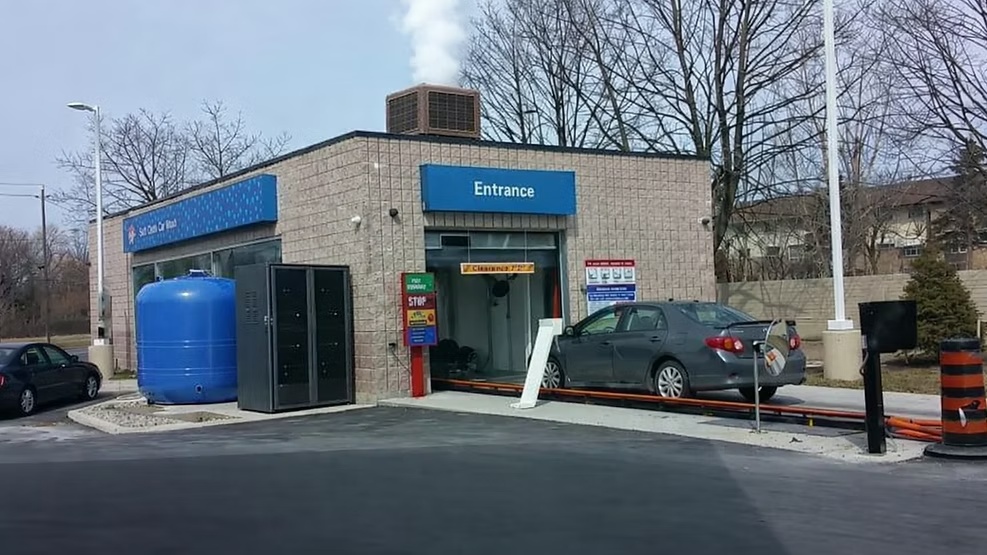
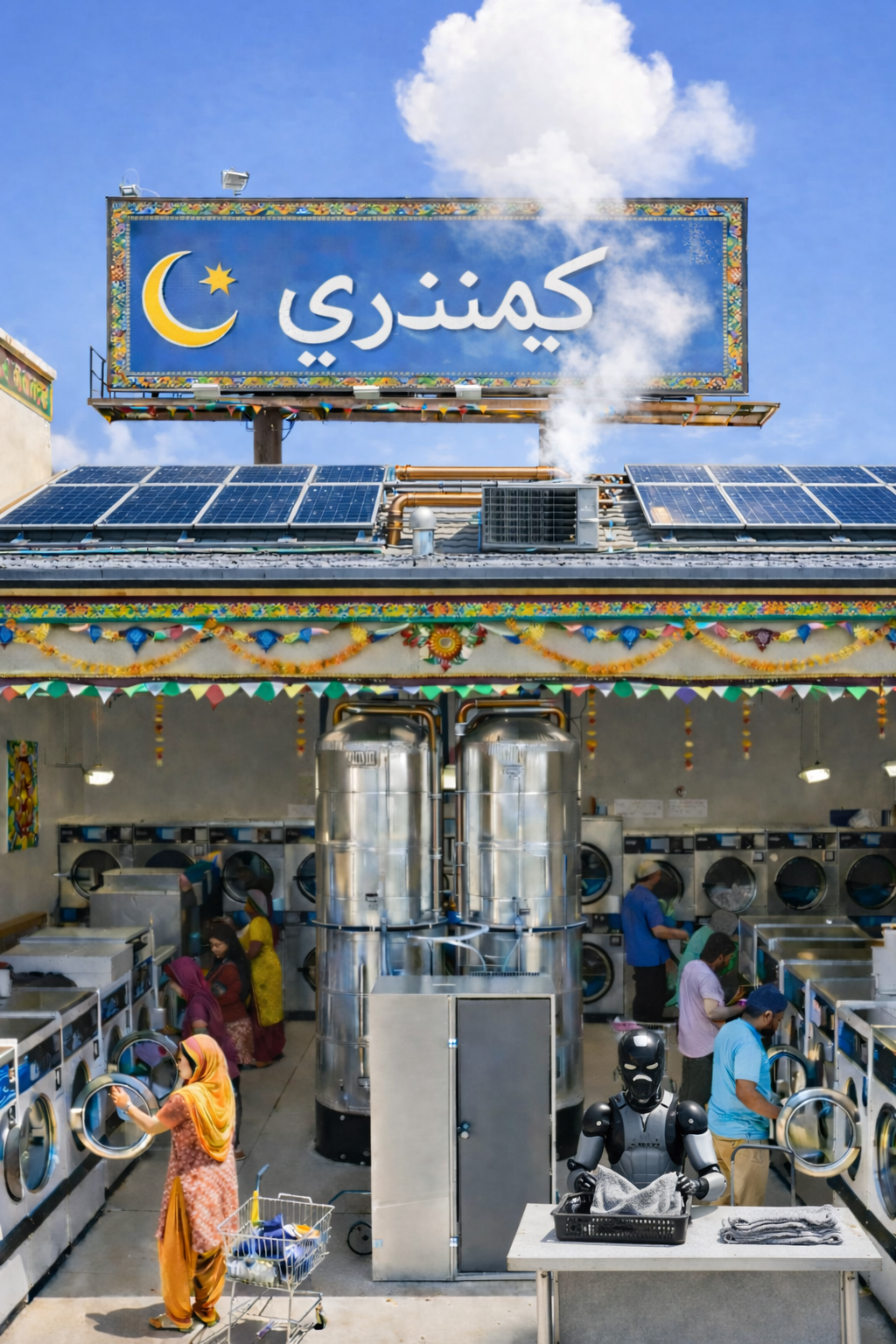
The current deterministic hourly study places 6,160 B300-equivalent accelerators across 120 representative car-wash and laundromat hosts and tests useful heat, carbon, water, climate and metropolitan-network constraints. Its network programme uses NVIDIA Spectrum-XGS as the scale-across layer over dedicated optical fibre and specifies fibre-spool and multi-site experiments to test whether distributed sites can match co-located clusters — the key experiment behind the project’s objective of proving that mega data centres can become obsolete as the default architecture for many workloads.