

Jonathan Bily
CEO • Computer Electronics & Cybersecurity
Engineering, finance, IP, cloud systems and operations brought together around distributed infrastructure, heat reuse and applied AI.
The team combines expertise in engineering, finance, intellectual property, cloud systems, cybersecurity, control systems and operations.
CEO • Computer Electronics & Cybersecurity

Fluid Mechanics Engineer

Intellectual Property Lawyer

Finance & Economics Professor

Cloud & Network Engineer
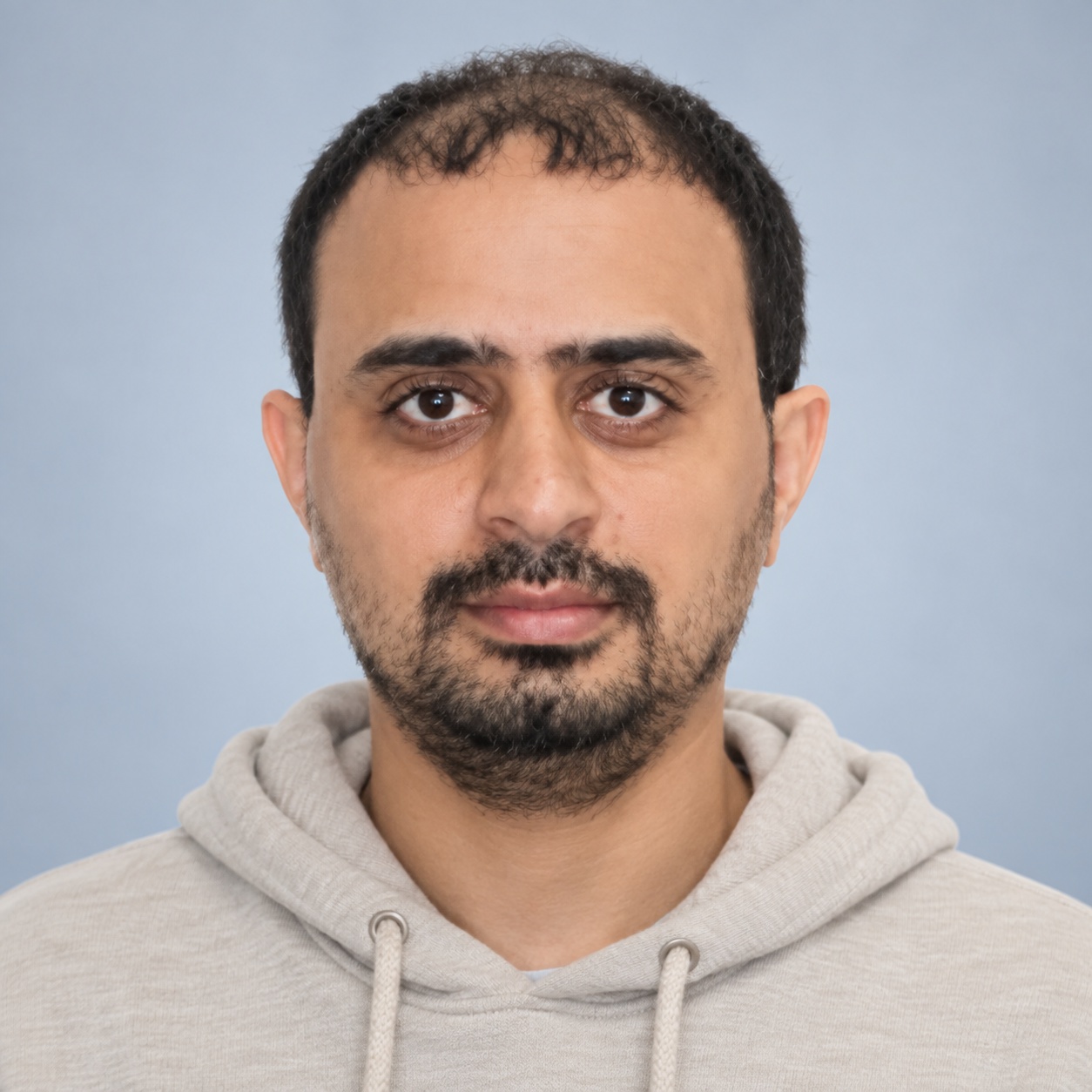
Electrical Engineer

Computer Electronics & Cybersecurity

Retrofit Team Leader

SaaS Specialist

Control Systems Engineer
Click any portrait to enlarge it.
Cloud Wash Laundry is being designed around a direct technical challenge to the conventional mega-campus model: place compute where useful heat already exists, then connect those heat-sink-sited AI factories with dedicated dark fibre and NVIDIA Spectrum-XGS scale-across networking so the distributed sites can operate as one metropolitan compute fabric.
The dark fibre is the dedicated optical transport; Spectrum-XGS is NVIDIA’s scale-across networking layer. The project’s proposed fibre-spool testbed and multi-site field pilot are intended to determine whether distributed sites can match co-located clusters on workload-level measures such as time-to-result and energy per token.
Current design-stage results combine the 120-host Los Angeles heat-sink-siting model with the updated fanless heat-rejection screening figure. They are screening outputs, not field-certified performance. In parallel, the network programme tests whether NVIDIA Spectrum-XGS scale-across networking over dedicated dark fibre can make geographically separated AI factories behave as one compute system. The mega-data-centre conclusion remains an experimental objective, not an already validated result.
The 79.4% and 77.6% values use the optimistic fT = 1.00 temperature-compatibility bound; lower compatible heat fractions materially reduce both benefits. The updated fanless heat-rejection figure also summarizes 83 of 144 states as feasible overall and 77 of 144 as feasible by free pathways alone, while array-wide EHD is not preferred because only 3 of 80 tested cases exceed the conservative comparator.